

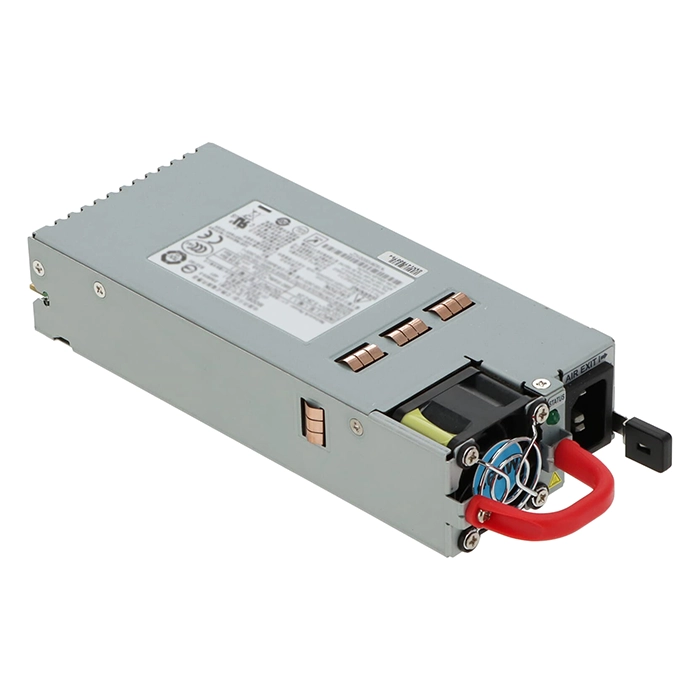
Server Power Supplies

Server Power Supplies
Server power supplies are a critical component in enterprise computing environments where performance, stability, and uptime are essential. Unlike consumer-grade power supplies, server power supplies are engineered to support continuous operation under heavy workloads. They are designed to handle fluctuating power demands while maintaining consistent voltage delivery across all connected server components. This makes them indispensable in data centers, cloud infrastructure, virtualization platforms, and mission-critical IT environments.
One of the defining characteristics of server power supplies is their focus on reliability and redundancy. Many server systems are built with redundant power supply configurations, allowing one unit to continue operating if another fails. Hot swap capability is a common feature, enabling administrators to replace a faulty power supply without shutting down the server. This minimizes downtime and protects business operations that depend on uninterrupted access to applications and data.
Efficiency is another major consideration in server power supply design. High efficiency ratings help reduce power consumption, heat generation, and operating costs. Enterprise-grade power supplies often meet strict efficiency standards and include advanced power factor correction to improve energy utilization. Over time, these efficiency gains can significantly reduce cooling requirements and overall data center energy expenses, especially in large-scale deployments.
Thermal management plays a vital role in server environments, and server power supplies are built to operate in high-temperature conditions. They typically include intelligent cooling systems that adjust fan speeds based on load and internal temperature. This helps maintain optimal airflow while reducing noise and wear on components. Durable internal components and high-quality capacitors further enhance longevity and performance under demanding conditions.
Compatibility is a key factor when selecting server power supplies. Servers come in many form factors, including rack mount, tower, and blade systems, each with specific power requirements and connector layouts. Server power supplies are often model-specific, designed to fit precise chassis dimensions and support proprietary connectors. Choosing the correct power supply ensures proper airflow, electrical safety, and seamless integration with system management tools.
Server power supplies also support advanced monitoring and management features. Many enterprise systems allow administrators to track power consumption, temperature, and power supply health through server management interfaces. This proactive monitoring helps identify potential issues before failures occur and supports better capacity planning. In environments where uptime is critical, these features add significant operational value.
At GoToDirect, we provide a comprehensive selection of server power supplies suitable for a wide range of enterprise systems. Our offerings include replacement units, upgrades, and compatible alternatives sourced from reliable manufacturers. Whether you are maintaining existing infrastructure, scaling a data center, or supporting legacy servers, our inventory helps you find dependable power solutions that meet both technical and operational requirements. With a focus on quality, compatibility, and availability, our server power supplies support stable performance in even the most demanding IT environments.
FAQs
What is the difference between a server power supply and a standard power supply?
Server power supplies are built for continuous 24/7 operation under heavy workloads. They offer higher reliability, better thermal tolerance, and often support redundancy and hot swap features. Standard power supplies are designed for intermittent consumer use and do not meet enterprise uptime requirements.
What does redundant power supply mean in servers?
Redundant power supplies allow a server to operate with multiple power units installed. If one power supply fails, the remaining unit continues supplying power, preventing downtime and allowing replacement without shutting down the system.
Are server power supplies hot swappable?
Many server power supplies support hot swap functionality. This means they can be removed and replaced while the server is running, which is critical for maintaining uptime in production environments.
How do I choose the correct wattage for a server power supply?
The correct wattage depends on the server’s processor, memory, storage, expansion cards and overall workload. It is recommended to choose a power supply that supports peak load with additional headroom for future upgrades.
Are server power supplies model specific?
Yes, most server power supplies are designed for specific server models or chassis. Form factor, connectors and airflow direction must match the original specifications to ensure compatibility and proper cooling.
Do server power supplies support monitoring and alerts?
Many enterprise servers allow power supply health and power usage to be monitored through system management interfaces. This helps detect failures early and supports capacity planning.